Destiny 2's King's Fall Glitch: A 2026 Retrospective on the Terror
Destiny 2's Season of Plunder King's Fall raid Golgoroth glitch turned the encounter chaotic, exposing live-service fragility.
In the autumn of 2022, Destiny 2's Season of Plunder brought the King's Fall raid back from the original Destiny, and with it a fresh nightmare for fireteams. A new glitch began terrifying players in the most recently released raid, turning the Golgoroth encounter into a chaotic, unpredictable ordeal. For a community accustomed to Bungie's regularly updated online shooter, this was not merely a bug; it was a sudden crack in the foundation of a beloved ritual. The glitch spread through reports and videos, leaving Guardians bewildered and Bungie's support channels buzzing. By 2026, the episode is a historical footnote, but it remains a vivid reminder of how fragile even the most polished live-service worlds can be.
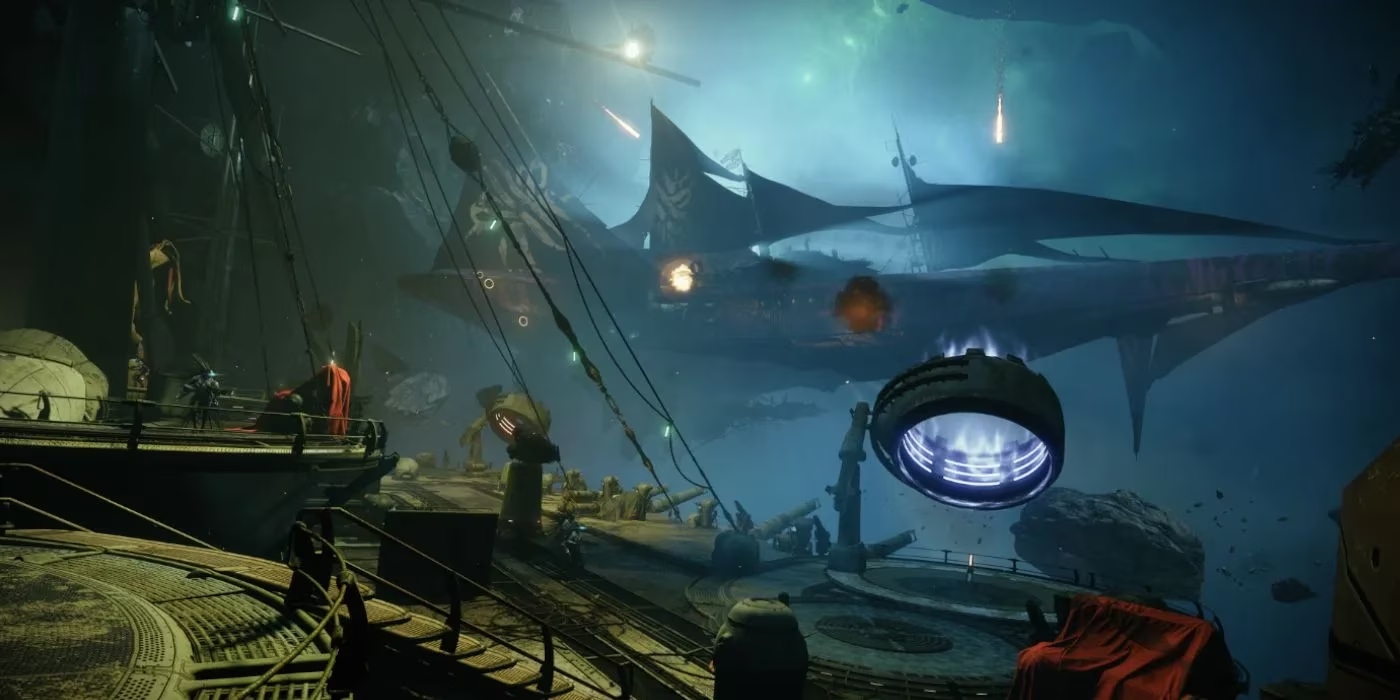
Season of Plunder had already introduced key additions. Alongside the return of King's Fall, the season delivered systematic changes and pirate-themed content: Expeditions, Pirate Hideouts, and Ketchcrash, a six-player activity featuring intense ship-to-ship combat. Eramis returned as an antagonist, and Arc 3.0 reworked the subclass system. These were ambitious moves for a game that had launched in 2017 and had since grown into a dedicated player base. The season was not without criticism, but it underscored Bungie's commitment to evolving Destiny 2.
The glitch itself was like a stagehand who wanders into the spotlight during a Shakespearean tragedy—uninvited, absurd, and impossible to ignore. It struck Golgoroth, a boss whose encounter depends on precise timing, gaze juggling, and orb management. Players reported that the fight could break in ways that made victory impossible or death inevitable. Some described being wiped without warning; others found mechanics refusing to trigger. The result was a raid that felt less like a test of skill and more like a haunted house where the walls occasionally forgot to exist.
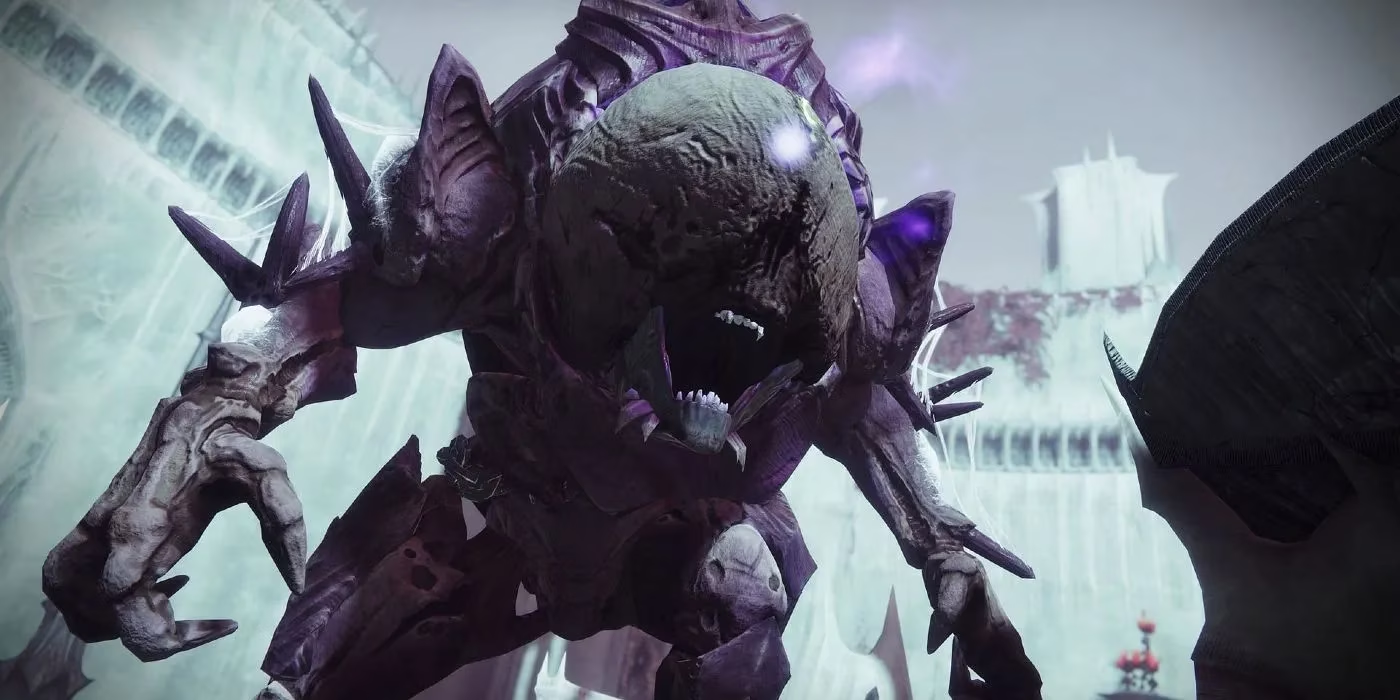
For a time, the glitch became a shared campfire story. Fireteams entered King's Fall with bravado, only to be humbled by a boss that seemed to have developed a nervous tic. It was as if the raid's architecture had caught a cold, sneezing at the worst possible moment. Bungie, as always, was expected to respond. The studio had spent years supporting Destiny 2 with updates, expansions, and seasonal content. A fix was hopefully incoming, and the community trusted that the developers would address the issue.
By 2026, that trust has been tested and rewarded many times over. Lightfall arrived on February 28, 2023, followed by further expansions and seasonal chapters that continued the story. The King's Fall glitch was patched long ago, and the raid remains a nostalgic challenge for veterans. Season of Plunder's pirate theme is now remembered with a mix of affection and amusement. The glitch, once terrifying, has become a footnote—a reminder that even the most successful online shooters are living documents, constantly revised.
The table below summarizes the key elements of that era:
| Element | Description |
|---|---|
| Season | Season of Plunder (2022) |
| Raid | King's Fall (returning from original Destiny) |
| Glitch | Golgoroth boss malfunction that terrified players |
| New Activities | Expeditions, Pirate Hideouts, Ketchcrash |
| Antagonist | Eramis |
| Subclass Rework | Arc 3.0 |
| Next Expansion | Lightfall (February 28, 2023) |
| 2026 Status | Glitch fixed; content historical |
Destiny 2's journey from 2017 to 2026 is a testament to Bungie's ongoing commitment. The game has weathered bugs, balance issues, and community debates, yet it endures. The King's Fall glitch was unfortunate, but it also became part of the shared lore—a story players tell about the time the raid itself seemed to rebel. In 2026, Guardians still gather for raids, still chase loot, and still complain about the occasional bug. The difference is that the Golgoroth glitch is now a relic, like a scar that no longer hurts but still tells a story.
Ultimately, the glitch did not break Destiny 2. It merely reminded players that live-service games are ecosystems—fragile, complex, and constantly changing. Bungie's response, though not instant, reflected a long-term dedication that has kept the game alive for nearly a decade. As of 2026, the community looks back with a shrug and a smile. The terror is gone, replaced by nostalgia. And in a game where worlds rise and fall with every expansion, that is perhaps the most fitting ending of all.
Comments